March Market Update 2026
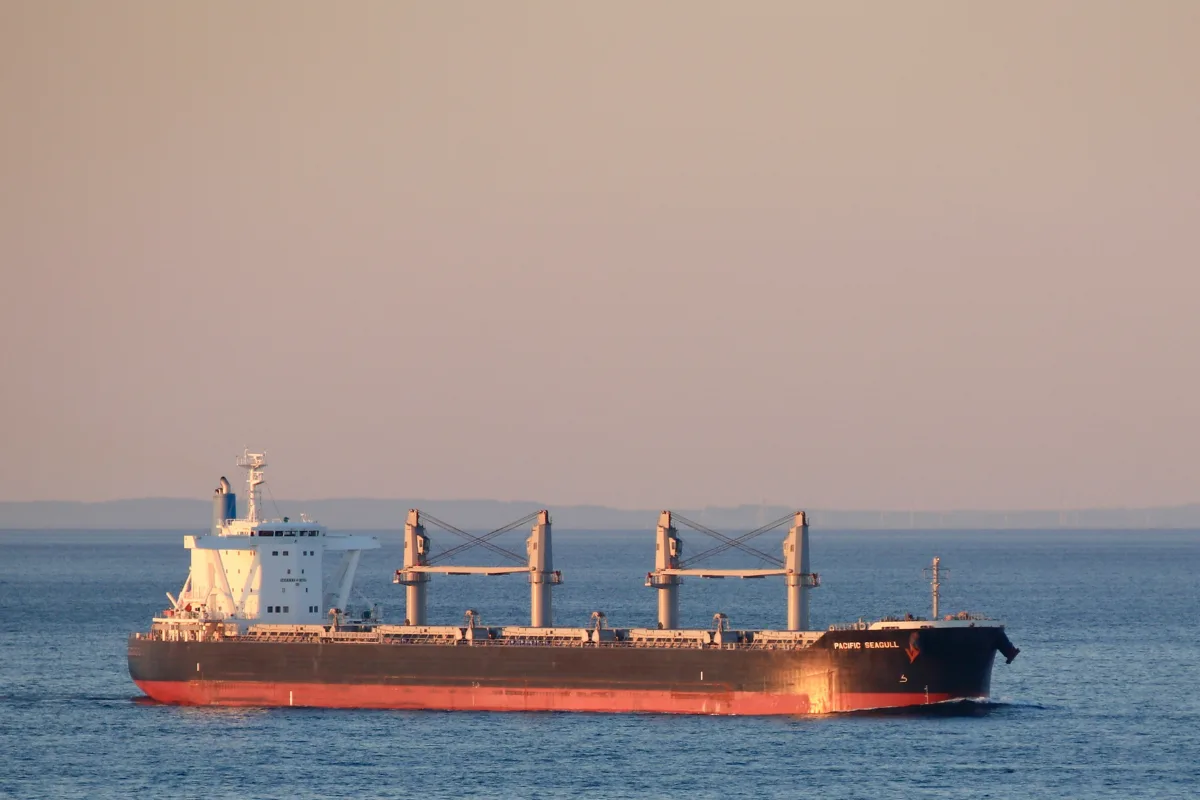
This month we discuss the fallout from US and Israeli strikes on Iran, the effective closure of the Strait of Hormuz, and the market consequences of an oil shock that has left few places to hide.
In our Market Notes series, our Chief Investment Officer, David Joory, shares his views on the key forces shaping markets and the themes he believes matter most right now. The aim is to bring clarity during fast-moving periods in markets by explaining what is happening, what it may mean for investors, and where opportunities may emerge.
Markets have come under some pressure since the start of March. Even so, the pullback has so far been relatively orderly given the scale of recent events. In our view, oil is the main factor driving markets at present.
Oil prices have risen sharply from mid-$50s per barrel in recent months to around $95 today, driven by renewed geopolitical tensions and concerns about supply disruption. That is a significant move in a short period of time, and it is feeding directly into broader market volatility. When energy prices rise this quickly, investors begin to reassess growth, inflation and company margins all at once.
Currency markets are also reflecting a more cautious backdrop, with the US dollar strengthening against several major currencies.
In precious metals, the recent weakness looks more like a normal correction after a strong run than a fundamental change in trend. Further short-term weakness would not necessarily alter the longer-term picture, and for some investors it may create opportunities to add exposure gradually.
Volatility is likely to remain elevated in the near term. Periods like this can create selective opportunities, particularly in structured products, where higher volatility can improve potential returns or protection terms. However, these opportunities can typically be short-lived and more suited towards a higher risk tolerance, so careful considerations must be given to investment suitability, selection, and timing.
This environment is a useful reminder of the value of diversification. When a single factor such as oil is driving a large share of market moves, concentrated portfolios can be more exposed. A broad mix of asset classes, sectors and risk drivers remains important.
We have also had many client questions about inflation. One concern is that the jump in oil prices, combined with geopolitical disruption, could push inflation higher again. Another view is that AI-driven productivity gains and broader technological progress could lead to a more disinflationary environment over time. At this stage, the honest answer is that we do not yet know which force will prove stronger.
What is notable is that financial markets are not yet signaling a major shift in longer-term US inflation expectations, despite the sharp move in oil. Historically, these gaps do not usually persist indefinitely. Even if the geopolitical situation stabilises, energy shocks often take time to feed through into the wider economy.
History also suggests that inflation shocks can persist for longer than many investors initially expect. Technology can help improve productivity, but it does not by itself guarantee a low-inflation environment. Over time, inflation has tended to be shaped much more by monetary and fiscal policy than by technology alone.
This also raises the question of how commodities fit into portfolios. Broad commodity indices have risen sharply in recent weeks, largely because of their heavy exposure to energy. While over the past two decades, commodities have significantly underperformed other asset classes, we believe a modest allocation can still be worthwhile if inflation proves to be more structural than temporary. That said, investors should remember that broad commodity indices are heavily weighted towards energy. Balancing commodity exposure with precious metals or other sectors can help manage risk.
Importantly, commodities behave differently than equities or bonds during market stress, tending to increase rather than decrease in volatile periods. Thus, they can offer valuable diversification benefits.
In summary, current market conditions are being shaped by higher oil prices, elevated volatility, a stronger US dollar and renewed uncertainty around inflation. The next phase will depend heavily on how geopolitical tensions evolve and whether the oil shock proves temporary or more persistent. In the meantime, we believe the most important message for investors is to remain diversified, stay disciplined, and look selectively for opportunities rather than reacting to short-term market moves.
If you have any questions about the themes discussed in this update, please do not hesitate to get in contact with us: info@bedrockgroup.com.
Important Legal Information
The content of this document has been prepared by Bedrock S.A., Bedrock Monaco SAM, and Bedrock Asset Management (UK) Ltd. (jointly, hereafter, “Bedrock”). The information and opinions contained in this document are for background information and discussion purposes only and do not purport to be full or complete. No information in this document should be construed as providing financial, investment, legal, tax, or other professional advice. The information contained herein is intended for the sole use of the recipient and may not be copied or otherwise distributed or published without the express consent of Bedrock. Although the information contained herein has been established by Bedrock based on or by reference to sources, documents and systems it believes to be reliable and accurate, Bedrock does not guarantee its accuracy or completeness and assumes no responsibility for any losses that may arise from the use of this information. Information included in this document is intended for those investors who meet the definition of Professional Client under the Swiss FinSA regulation as well as Professional Client or Eligible Counterparty under the UK Financial Conduct Authority.
Alternative investments risks in general: it is important to be aware of the risks involved in alternative investments. Some of the risks include:
It is important to carefully consider these risks before investing in alternative investments. You should also ensure that you understand the terms of the investment, including any fees and charges, before committing your money.
If you have any questions or concerns about investing in alternative investments, you should seek the advice of a professional financial advisor who is qualified to advise on these types of investments.
The value of all investments and the income derived therefrom can fluctuate due to market movements and you may not get back the amount originally invested. In the case of overseas investments, values may vary as a result of changes in currency exchange rates. This may be due, in part, to exchange rate fluctuations in investments that have an exposure to currencies other than the base currency of the portfolio. Past performance is no guide to or guarantee of future performance.
Bedrock expressly disclaims liability for errors or omissions in the information and data contained in this document. No representation or warranty of any kind, implied, expressed or statutory, is given in conjunction with the information and data. Bedrock accepts no liability for any loss or damage arising out of the use or misuse of or reliance on the information provided including, without limitation, any loss of profits or any other damage, direct or consequential. You agree to indemnify and hold harm less Bedrock and its affiliates, and the directors and employees of Bedrock and its affiliates from and against any and all liabilities, claims, damages, losses or expenses, including legal fees and expenses arising out of your access to or use of the information in this presentation, save to the extent that such losses may not be excluded pursuant to applicable law or regulation. Any opinions contained in this presentation may be changed after issue at any time without notice
This month we discuss the fallout from US and Israeli strikes on Iran, the effective closure of the Strait of Hormuz, and the market consequences of an oil shock that has left few places to hide.

Bedrock has been named Best Independent Wealth Manager at the 2026 Euromoney Private Banking Awards, recognising the firms ability to combine independence with scale, sophisticated investment leadership, and a fully integrated multi‑family office offering.

This month we look at sharp US tech rotation, strong gains in Japan and key emerging markets, renewed demand for sovereign bonds, and rising geopolitical tensions that reinforce the need for broader global diversification.