In Conversation With: Jo Shropshire on Helping Families Structure Their Philanthropic Giving
Posted by Bedrock on
At Bedrock, we understand that every family sees wealth differently. For some, it offers security; for others, it provides freedom and choice; and for many, it becomes a platform for contribution, connection and continuity. Increasingly, we are seeing philanthropy and purposeful giving become central components of this journey.
Recent reports show that in 2025, families of significant means contributed $207 billion to philanthropic causes, representing 36% of all individual giving worldwide and continuing a steady rise from previous years (for example, $190 billion in 2022) [1].This growing commitment reflects a deeper desire to use wealth meaningfully, whether driven by personal values, long-term legacy, or heightened awareness of global social and environmental challenges.
This shift is not only about giving more, but about giving with greater structure and discipline. Families are increasingly professionalising their philanthropic activity, establishing foundations and donor advised funds, implementing governance frameworks, and measuring impact with the same rigour applied to their investment portfolios. Philanthropy is no longer peripheral to wealth management; it is becoming an integrated part of long-term stewardship and legacy planning.
To explore this shifting landscape, we sat down with Jo Shropshire, co-founder of Benesys, a philanthropic advisory firm supporting families in developing and enhancing their giving strategies. Jo shares insights on how giving is evolving, why defining purpose is essential to effective philanthropy, and how the right structure can transform the impact of philanthropic capital.
Seeing a Gap in How Families Give
Welcome, Jo! To begin, could you tell us a bit about Benesys and what led you to found it?
A: There wasn’t a single defining moment, or a sudden surge of passion for philanthropy, that led to the co founding of Benesys. Instead, the idea emerged gradually through observation. Over many years working in finance, I met people who genuinely wanted to make a meaningful difference and had the resources to do so, yet often didn’t, typically due to lack of time, uncertainty around which organisations to trust, or concerns about effectiveness and over reliance from the charities.
I saw that despite good intentions, giving was often sporadic, reactive and at times, inefficient leaving the donor feeling frustrated and many a time disengaged. The intention was strong, but the outcomes weren’t.
As an ex-banker, it seemed to me that there was space for a more transparent approach to giving, one that, would mirror the discipline applied to building and managing a for-profit investment portfolio but reflecting a donor’s values, their passion, compassion and vision for the future.
Benesys was founded to combine discipline with empathy, to build trust and confidence to ensure that giving is both effective in terms of where and how philanthropic capital is allocated but at the same time, personally meaningful. Our role is to bring clarity and expertise so that clients can make informed decisions and have realistic expectations about the impact their philanthropic capital can generate.
“As an ex-banker, it seemed to me that there was space for a more transparent approach to giving, one that, would mirror the discipline applied to building and managing a for-profit investment portfolio.”
Why Families Are Giving More Strategically
Why do you think philanthropy is becoming more of a priority for families today?
A: Philanthropy is becoming a priority for families today for several interconnected reasons. First, in a complex geopolitical and economic environment, government funding is increasingly unable to keep pace with rising social needs. Charities are turning to private donors to help bridge this gap, and families are more aware than ever of the role their giving can play in addressing urgent and visible challenges. Many find it genuinely meaningful to contribute in a way that delivers tangible, positive change.
At the same time, philanthropy is becoming more closely tied to a family’s shared sense of purpose. When spouses, siblings and children work together toward a common mission, it can be both unifying and powerful. For many families, philanthropic and impact goals are no longer side initiatives; they are influencing broader decisions, including how wealth is invested and stewarded across generations.
Another strong driver is the next generation. Younger family members are often the ones initiating conversations around impact, sustainability and long-term purpose. They tend to prioritise values-led decision making and want their wealth to reflect their worldview. For first generation wealth creators, philanthropy is also a valuable way to give children perspective and a sense of identity beyond financial privilege.
Increasingly, families recognise that effective philanthropy benefits from the same clarity and governance that guide their investment portfolios, defined objectives, accountability and long-term discipline. As a result, they are taking a more structured and strategic approach, supported by advisors who can provide the frameworks, expertise and insight needed to do this well. Philanthropy is no longer a peripheral activity; it is becoming an institutionalised and integrated part of long term-wealth planning.
“Philanthropy is no longer a peripheral activity; it is becoming an institutionalised and integrated part of long-term wealth planning.”
Giving With Purpose, Clarity and Structure
Can you provide further insight into how you work with families in this space?
A: Effective philanthropy has two essential components. First, we help families clarify their philanthropic ambitions and turn them into something intentional and sustainable. This involves articulating a clear mission and vision, captured in a Giving Manifesto, and developing a framework for giving that aligns with their values, interests and resources. For many families, they begin their journey with personal, ad hoc donations driven by passion but without a strategy or way to assess impact. Over time, this lack of structure can make it difficult to understand whether their giving is creating the change they hope for.
The second component is ensuring their philanthropy is structured in an efficient, transparent and scalable way. This is where our partnership with Bedrock comes into play. Benesys helps families define what they want their philanthropy to achieve; Bedrock ensures they have the right vehicles in place, whether that’s a foundation, a Donor Advised Fund, or for more modest or cash based giving, a Charities Trust account. These structures consolidate donations, improve tax efficiency and give families a disciplined framework for managing their giving.
Together, we ensure that a family’s generosity is intentional, effective and aligned with their long-term vision, allowing them to give with confidence and create impact that is both measurable and personally meaningful.
“We help families clarify their philanthropic ambitions and turn them into something intentional and sustainable.”
A Four-Step Approach for Giving
Can you walk us through the process you follow when developing a giving strategy?
To bring a families giving strategy to life, we follow a four step process that ensures philanthropic capital is deployed intentionally and with measurable impact. This includes:
Discovering Purpose: We begin by exploring a family’s philanthropic aspirations in depth and articulating how these can be realised within available resources. This stage involves defining a clear framework for giving, with goals, guiding principles and performance metrics that reflect what the family wants to achieve.
Identifying Areas of Focus: We then conduct research into high impact, underfunded causes that align with the family’s interests and values. The aim is to direct philanthropic capital to areas where there is genuine need and strong impact potential, while also considering the family’s desired level of involvement.
Establishing Risk Profile: We curate a philanthropic portfolio of carefully selected organisations, each of which undergoes our proprietary diligence and risk assessment. This ensures the chosen charities are resilient, credible and well positioned to deliver meaningful outcomes in line with the family’s appetite for risk.
Measuring Impact: Finally, we monitor performance over time, evaluating the real world social outcomes of the philanthropic capital invested against the family’s pre defined goals. This ensures giving remains aligned with purpose and continues to create measurable, mission driven change.
Measuring What Matters
What tools and frameworks do you use to assess philanthropic impact?
We measure impact using a combination of quantitative and qualitative tools, ideally gathering at least three years of data from client’s charity support, to understand impact over time.
At the charity level, we track each organisation’s progress against its own goals and validate this against the charity’s Theory of Change (a structured way to explain how and why a desired change is expected to happen). While at the portfolio level, we assess collective performance against the family’s impact goals as set out in their Giving Manifesto. This includes reviewing case studies, beneficiary feedback and sector specific benchmarks.
We also compare results against global frameworks such as the UN Sustainable Development Goals to ensure the giving is contributing to broader, mission aligned change. Clients receive detailed semi annual or annual impact reports depending on the nature of their philanthropy, providing clear insight into the effectiveness of their giving and the real world outcomes it supports.
From Complexity to Clarity: One Family’s Journey
Can you talk us through a recent scenario where you worked with Bedrock to support a client to approach their philanthropy?
When Bedrock first engaged us to support a client, we found their charitable giving was generous but inconsistent, driven by events and relationships rather than a clear strategy, due diligence or defined impact. Donations were made from personal accounts and reconciled manually, a workable but inefficient and unscalable approach as their ambitions grew.
Through structured consultations, we helped the family articulate a shared philanthropic vision and create a focused, values aligned portfolio. Each organisation underwent rigorous due diligence, and we set agreed funding levels, timelines and measurable objectives. To help amplify their impact, we also introduced match funding opportunities and structured pledges to unlock additional funding.
A critical step was establishing the right long-term structure. In partnership with Bedrock, we implemented a Donor Advised Fund (DAF), delivering operational efficiency, strong governance and meaningful tax advantages. Leveraging the UK charitable tax framework, each £1 of post tax contribution could equate to nearly £2 of pre tax charitable capital. Together, Bedrock manages the investment portfolio within the DAF to ensure long-term, mission-aligned growth, while we advise on strategy, execute the donations and grants, and provide structured impact reporting across the portfolio.
The result: What began as an ad hoc, administratively heavy process is now a strategic, scalable and tax efficient philanthropic programme, combining strategic philanthropic structure with Bedrock’s investment expertise. Giving the family clarity, structure and confidence to have sustained, meaningful impact.
“What began as an ad hoc, administratively heavy process is now a strategic, scalable and tax efficient philanthropic programme, combining strategic philanthropic structure with Bedrock’s investment expertise.”
The Future of Giving
Looking ahead, what do you think the future of philanthropy within families looks like?
Two themes are likely to shape the next decade of giving. First, is the influence of the next generation. As the Great Wealth Transfer accelerates, the success of family philanthropy will increasingly rest on the engagement of next gen family members. We expect to continue to see a more holistic approach to wealth management, where philanthropic portfolios are considered alongside investment portfolios and aligned with broader values and social responsibility goals.
Second is the rise of collaboration. Donors and charities are working together in more creative ways, from match funding campaigns and underwriting events to offering networks, venues or expertise. These partnerships help amplify impact and maximise the social return on every contribution. Collective giving models, such as giving circles, are also gaining momentum, particularly among women and younger donors, who value shared decision making and the ability to pool resources. By doing this they can do more with less, share the risk and work together with other like-minded donors to give more strategically to specific causes.
Together, these shifts point to a future where family philanthropy is more purpose driven, collaborative and integrated into the overall stewardship of wealth. Families increasingly recognise that giving has the power to bring people together, creating shared values, shared conversations and shared responsibility across generations.
“Collective giving models, such as giving circles, are also gaining momentum, particularly among women and younger donors, who value shared decision making and the ability to pool resources.”
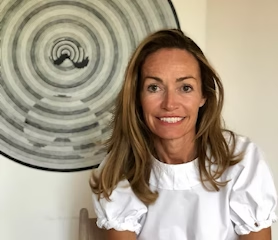
Jo Shropshire Co-Founder and Managing Director, Benesys
Philanthropy at Bedrock Supporting clients in their philanthropic endeavours is a lived expression of Bedrock’s core ethos that everyone sees wealth differently.
At the heart of our work is helping families articulate their values and the deeper meaning behind their wealth, so they can achieve both their financial and non-financial goals with intention. We see philanthropy not as a separate activity, but as an integrated component of holistic wealth stewardship, sitting alongside portfolio construction and intergenerational planning.
If you are interested in aligning your purpose with your philanthropic ambitions, or exploring how to structure and scale your giving, please reach out to: info@bedrockgroup.com
Bedrock has been named Best Private Investment Office / Multi-Family Office in Switzerland at the 2026 WealthBriefing Swiss Awards, recognising the firm’s independent, bespoke, and fully integrated approach to multi-generational wealth management.
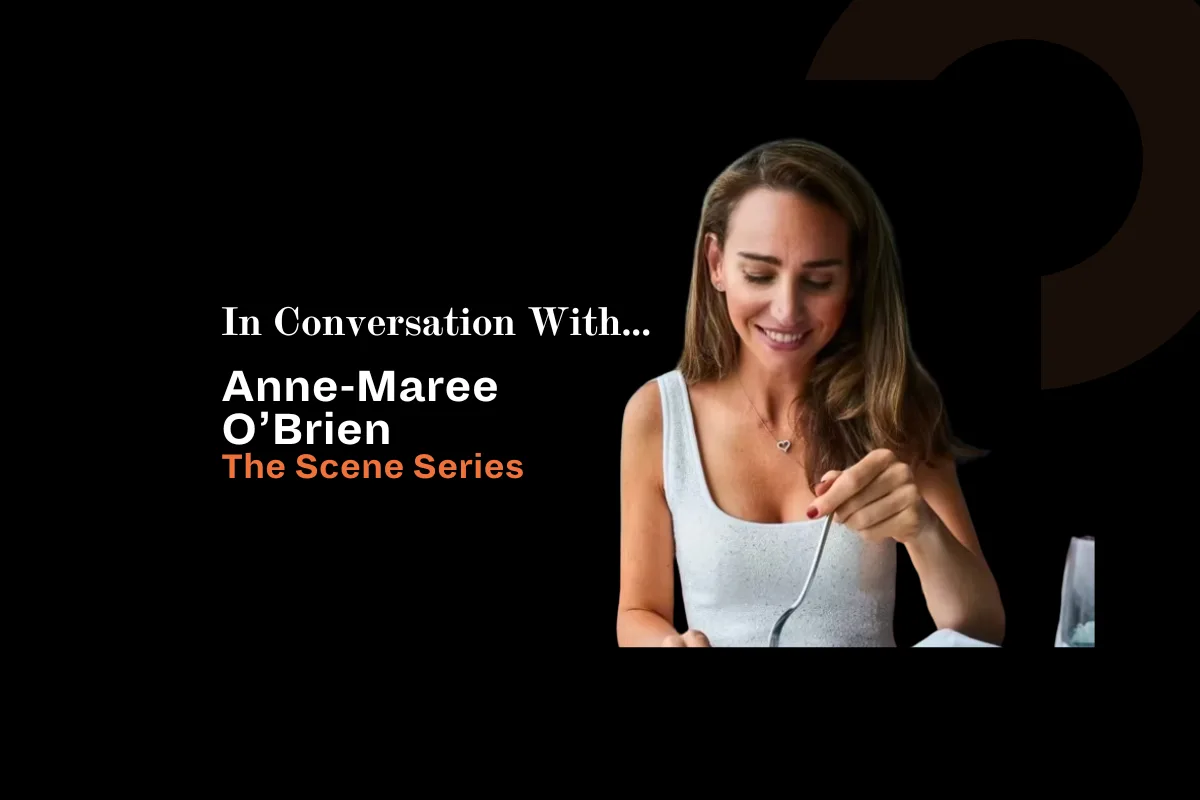
Anne-Maree O’Brien’s journey began in her family’s first-generation hospitality business, where she was immersed from an early age. Today, through The Scene Series, she brings together leading voices from across the global hospitality industry. She shares the dynamics that underpin successful family enterprises and how her upbringing instilled a deep appreciation for craft, hard work, human connection, and storytelling.
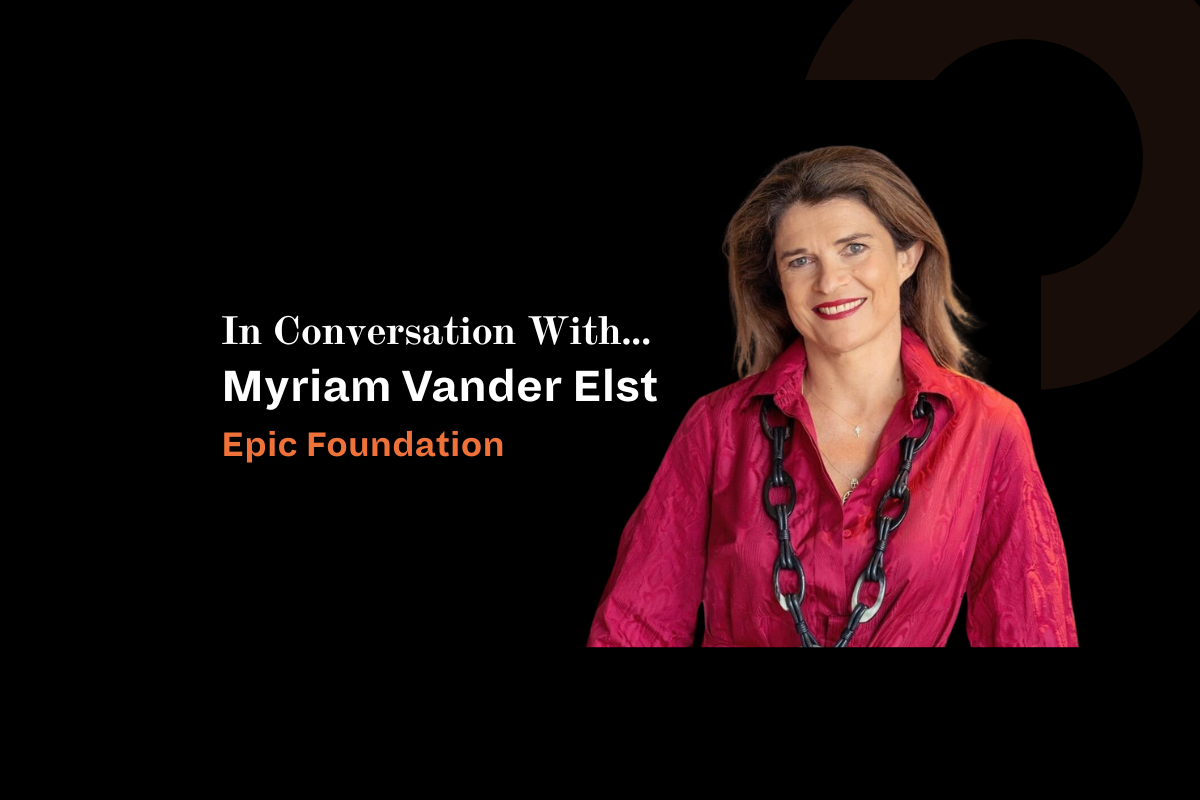
From inherited fortune to systemic impact, Myriam Vander Elst has spent the past decade transforming the way philanthropy is practiced. As a driving force behind the Epic Foundation and the founder of Epic’s School of Philanthropy, she has championed a more rigorous, transparent, and empathetic model of giving. In this conversation, she shares her personal journey, the philosophy behind her work, and why intentional giving is more important than ever.